The Role of the Primary School Teacher in Education
Incompetence and Unprofessional Behavior of Primary School Teachers as a Risk Factor in Education
Incompetence and unprofessional behavior of primary school teachers can lead to serious consequences. When a teacher creates discrimination among students based on social differences, prioritizes personal financial interests over professional responsibility, and allows corrupt practices, this has a significant impact on students’ future academic achievements and moral values. As a result of such an approach, divisions and groupings emerge among students, they become accustomed to social injustice, and ultimately a healthy educational environment is disrupted.
Children receiving education are citizens of an independent state and are in particular need of care and protection. In society, children have their own roles and responsibilities; therefore, their rights must be unconditionally protected. A child is an equal subject of society, and addressing them in a commanding or authoritarian manner may damage the teacher’s dignity and professional authority. In 1992, the Republic of Azerbaijan acceded to the United Nations Convention on the Rights of the Child. Children must simultaneously understand both their rights and responsibilities. They should be granted freedom and independence, while a sense of appropriate supervision must not be neglected. The Law of the Republic of Azerbaijan “On the Rights of the Child” emphasizes that every child has the right to liberty and personal inviolability.
Family-related problems occupy an important place in a child’s “psychological space.” At times, teachers may unintentionally intrude into this space and influence it. Events occurring within this psychological environment are remembered by the child for a long time and are frequently recalled. Every incident within the family and the relationship between parents directly affects the child’s psychological well-being. In some cases, teachers notice these changes earlier than parents. Therefore, the teacher should observe the problems experienced by the child, provide emotional support, and establish warm and trusting relationships.
For primary school teachers, understanding family relationships is essential, as it plays a crucial role in the effective organization of the educational and upbringing process. By informing parents, teachers should encourage them to pay attention to intra-family relationships. Parents must not forget that a child’s development largely depends on the emotional climate within the family. To achieve these objectives, teachers must possess strong willpower, flexibility, sensitivity, and the ability to respond effectively to psychological and pedagogical situations.
Depending on the goals and objectives of instruction, the content of educational material, and the capacities of teachers and students, the sequence of perception, comprehension, reinforcement, and application stages may vary. The developmental goal of education is to reveal students’ intellectual and creative abilities and to enhance their individual characteristics. To achieve these goals, students should be actively engaged in cognitive activities involving analysis and research. Without considering interdisciplinary connections, it is impossible to establish a successful teaching process. The comprehensive development of students and the expansion of their thinking abilities should be among the primary objectives of education.
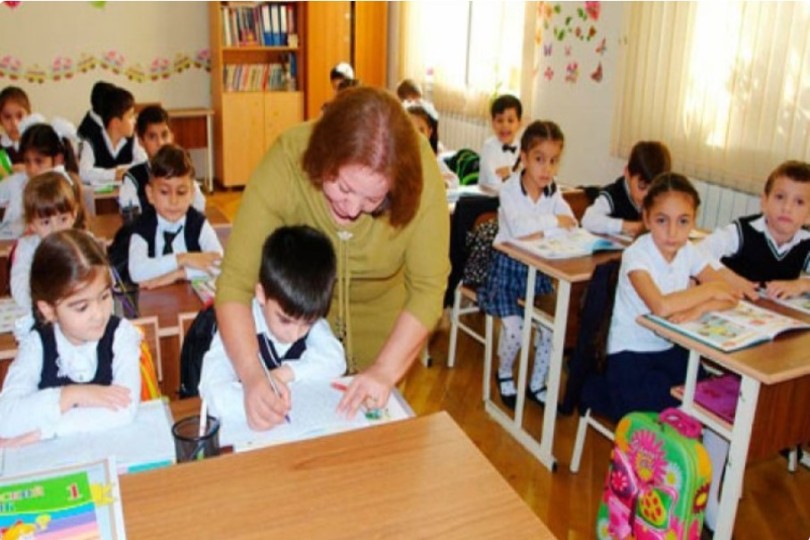
A primary school teacher must possess a broad worldview, extensive knowledge, and strong pedagogical skills. They should be well-versed in visual arts and technology and experience no difficulty in preparing instructional materials. Being a primary school teacher requires genuine dedication. Working with young children demands a special approach, and teachers must strive to answer students’ questions in accordance with their interests and curiosity.
Attracting and maintaining students’ attention requires personal competence and talent from the teacher. This cannot be achieved solely through delivering high-quality lessons. While an engaging lesson may capture students’ interest, sustaining that attention over time requires continuous effort. Children’s attention is closely linked to their interests. Interest strengthens concentration and contributes significantly to students’ development. Once students’ inclinations and interests are identified, it becomes possible to encourage their more active participation in the learning process.
The character of a primary school teacher influences students and plays an important role in shaping their personalities. Teachers should consciously demonstrate their positive qualities so that students can adopt them as examples. To understand students’ psychological conditions, teachers must gather individual information about each child, show interest in their family environment, and provide moral support. Neglecting the interconnection of instructional components reduces the effectiveness and quality of learning outcomes.
As teachers’ professional knowledge and skills increase through the purposeful application of modern pedagogical and educational technologies, the successful implementation of long-term educational reforms is ensured. Thanks to the efforts of professional educators, reforms in the education sector become sustainable and effective. Teachers should create a supportive learning environment based on their experience and accumulated knowledge. Behind every achievement lies hard work, while abilities and skills emerge as the result of that effort. Dedication to one’s profession and enthusiasm significantly enhance the teacher’s professional reputation.
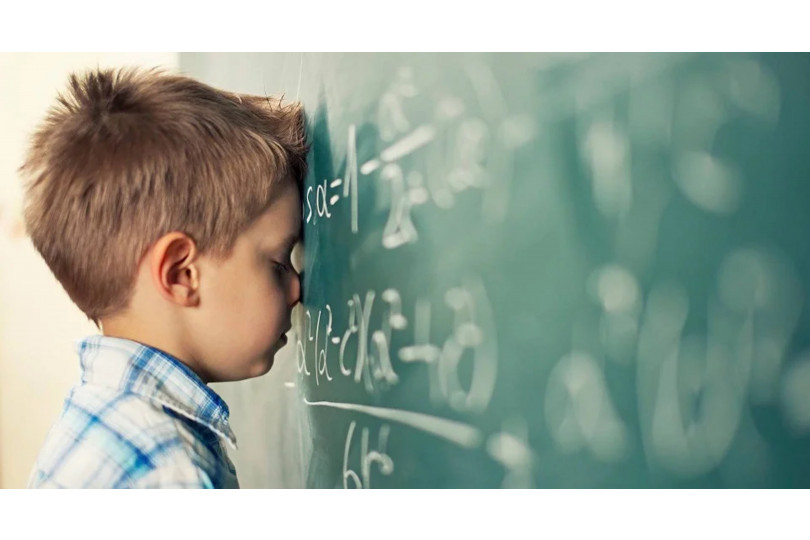
However, negative phenomena are also observed within the education system. Guiding students toward rigid patterns and rote memorization gradually reduces their interest in learning, leading to indifference toward lessons. Particularly, the incompetence and unprofessional behavior of primary school teachers can result in severe consequences. When educators allow social discrimination and bribery, this exerts a destructive influence on students’ academic success and spiritual values. Consequently, divisions arise among students, social injustice becomes normalized, and the healthy educational climate deteriorates.
Since the primary education period plays a decisive role in a child’s future academic life, the activities of incompetent teachers at this stage may cause serious harm to students’ psychological and moral development. Students who fail to receive proper guidance during primary school often face difficulties in higher grades, and even the most qualified teachers may struggle to fully reveal their potential.
Therefore, school administrations and supervisory educational authorities must not remain indifferent to these issues and should exercise strict control over the professional training of primary school teachers. Teachers, through their knowledge, pedagogical competence, and appropriate educational approach, represent the fundamental force shaping the future of society. Their irresponsibility may negatively affect the development of future generations.
Taking all these factors into account, in order to eliminate problems arising in the educational process, teachers must use instructional principles and methods more effectively and benefit from modern pedagogical approaches. At present, the forms of instructional organization, educational content, assessment criteria, and pedagogical management systems are being reconsidered from scientific and practical perspectives. National and international experiences are analyzed, and interactive and innovative methods are being implemented.
In this regard, to improve the quality of education, special attention must be given to the teaching and learning process starting from primary school. Teachers’ professionalism should be enhanced, and modern educational technologies must be applied more efficiently. At the same time, a corruption-free primary education system must be established.