ACTIVE STUDENT
Encourage students to ask questions to increase their activity in class. Take them seriously. The more seriously you take the student, the more you agree with his existence, the more you will love your lesson. Encouraging children to ask questions is one of the most important ways to boost their self-confidence.
Use both visual and audio materials. The more emotions we use in the process of learning something, the better we learn and the later we forget. We learn most of what we learn with our eyes. Make sure you keep track of the miles you have and if and when they expire.
Encourage discussion. Start the discussion with a one-sentence question or by raising an issue. The discussion can be arranged in groups of four or six men. In addition, conversations between two people can take the form of a group of six to twelve people listening to each other in a circle around the group as they discuss.
Guide them also into the good behaviors and to avoid displaying some profane ones. Guide students to listen carefully to certain topics before class. Directed listening activities can also lead to group discussions. You need to create groups in advance and give each group a topic to listen to carefully. (What ?, why ?, why?) Ask them to use (even write) expressions such as "I learned" and "I want to know". This simple sentence completion habit will help you assess what students have learned. Sentences can be written during or at the end of a lesson, can be student-specific, given to a teacher, or shared with other students.
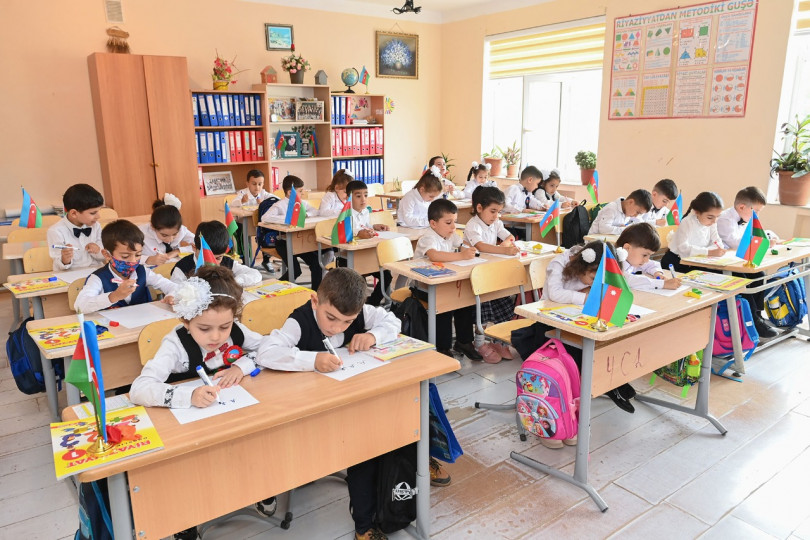
Ensure students' written participation in the lesson. At the beginning, end, or middle of a lesson, ask students to comment in writing on a question, idea, or thought. This written answer can be kept secret, shared with the group, or given back to the student. The main reason is to help the participants to express their thoughts and understand the content of the lesson.
Use brainstorming techniques. The purpose of a brainstorm is to move thoughts. In other words, to express an issue or problem by developing many suggestions and noting them without evaluation. By using a brainstorming session, you can ensure that students attend classes before or before class. At the same time, you will have the opportunity to evaluate students.
Develop aids: teaching aids (photographs, sketches, etc.) help students follow key ideas, summarize content, develop ideas, and apply what they have learned. Short tests indicate the success of education for both students and teachers. Tests that students solve on their own (where the answers are given later or at the end of the exam paper) can help students compare what they have learned and remember, or review the topic before class begins. If such tests affect the final grade, students need to know how and when.
Supervise additional tasks. Make suggestions for after-school activities (think more, read, use additional rules, apply, etc.).